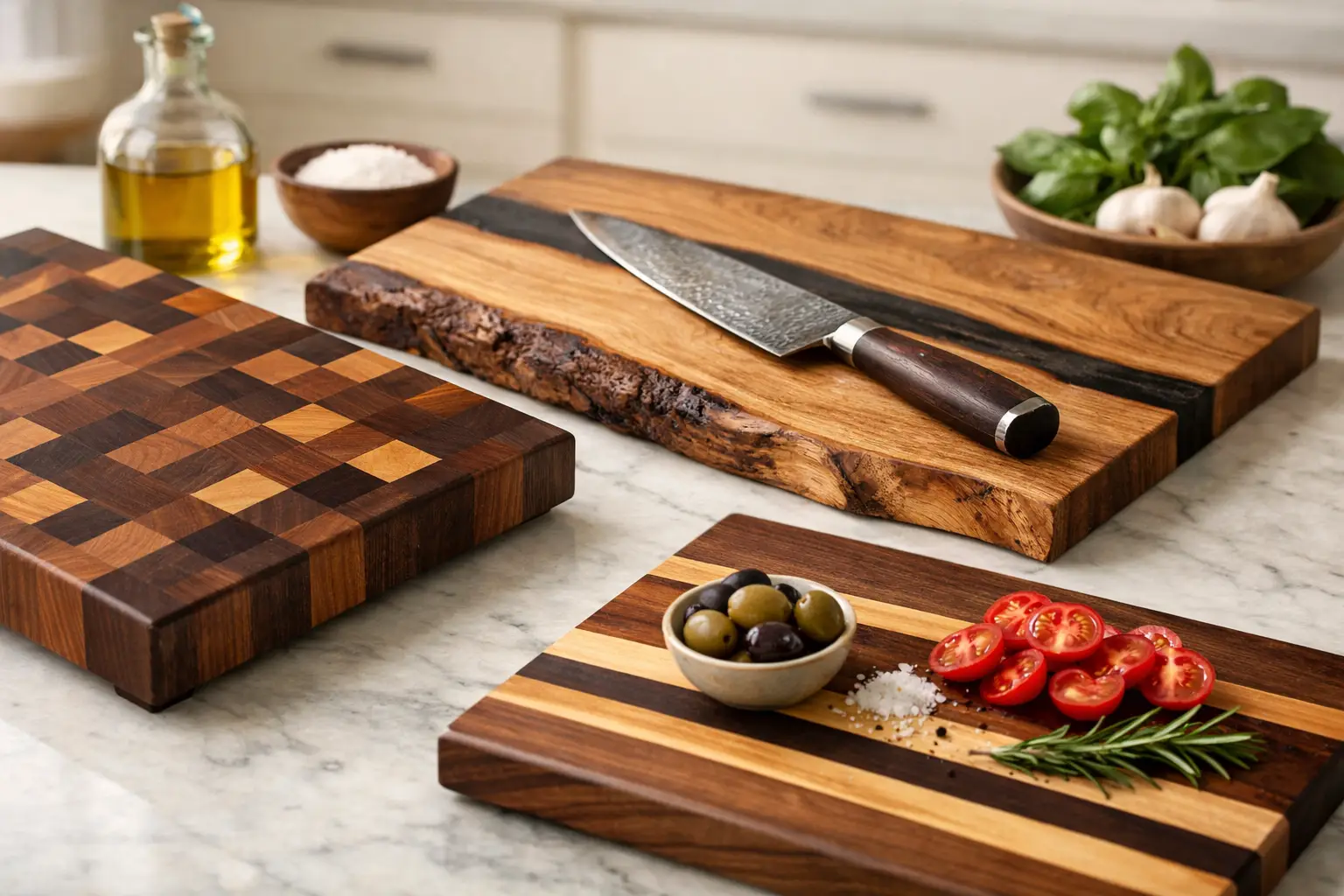
Handcrafted Luxury Cutting Boards That Last
A fine cutting board should never feel like an accessory bought to fill an empty corner of the kitchen. It should feel substantial when lifted, steady beneath the knife, and at home on the counter long after dinner is served. Handcrafted luxury cutting boards earn their place this way: through materials with real character, construction meant for repeated use, and details that invite a closer look.
For the home cook, a board becomes part of the rhythm of the kitchen. For the host, it becomes a gathering surface for bread, fruit, cheese, and conversation. For a gift recipient, it can mark the beginning of a home, a marriage, a business relationship, or a family tradition. The best boards are made for all of it.
What Makes a Cutting Board Truly Luxurious?
Luxury in a cutting board is not a logo, a dramatic grain pattern, or a finish too glossy to use. It is the confidence that comes from thoughtful choices made before the board reaches the kitchen.
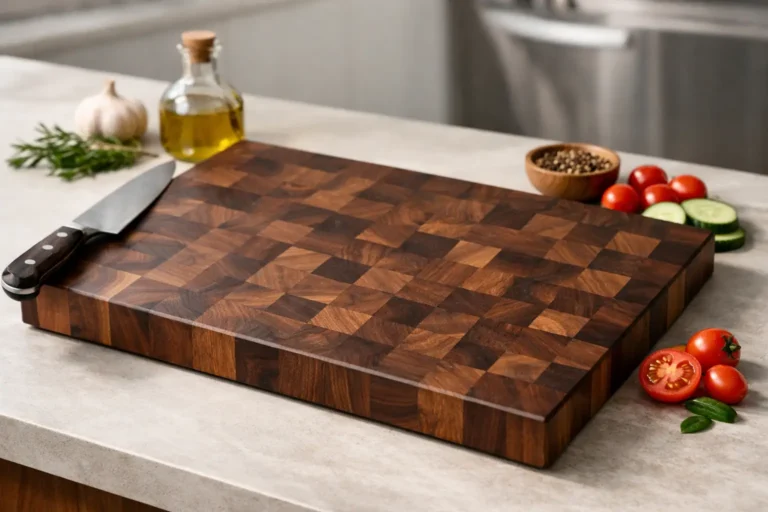
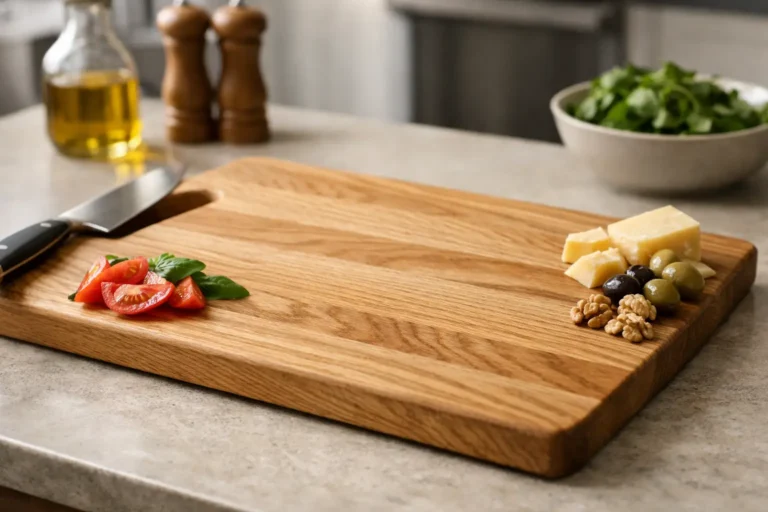
That starts with hardwood. Domestic species such as black walnut, white oak, and hard maple offer distinct colors and grain, but they also offer the density and durability needed for a hardworking surface. Walnut brings deep brown tones and graceful variation. Maple feels bright, clean, and enduring. White oak carries a warmer, more architectural character. Each species changes the visual presence of a board, and each develops more personality with time.
The way those woods are selected matters as much as the species itself. Natural hardwood is not uniform by design. Mineral streaks, shifts in tone, and grain movement are part of its identity. A carefully made board does not erase that character. It arranges and finishes it with intention.
A luxury board should also have weight and proportion. It needs enough mass to remain secure while chopping, enough surface area to be genuinely useful, and enough visual balance to look considered when it is brought to the table. Oversized boards can make a particularly strong statement, but bigger is not always better. A daily-use board should fit the cook, the counter, and the sink where it will be cleaned and dried.
Why End-Grain Construction Changes the Experience
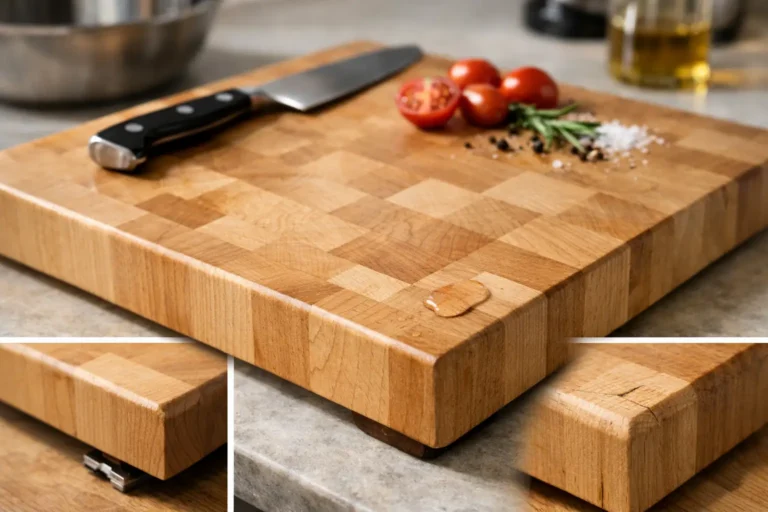
The construction of a cutting board determines much of its performance. End-grain boards are built with the ends of the wood fibers facing upward, creating a surface that is both durable and distinctive.
When a knife meets end grain, the fibers can part slightly around the blade rather than taking the full force of a cut across their length. This helps create a more forgiving working surface than many hard, flat alternatives. It also helps explain why substantial end-grain boards are valued by people who cook often and expect their tools to keep up.
There is a trade-off. End-grain construction requires more labor, more material, and careful assembly. It is naturally more substantial than a thin, mass-produced board, and it calls for periodic care. But those are not drawbacks for everyone. For someone who values a board that feels grounded on the counter and can become more beautiful through years of use, they are part of the appeal.
Precision matters here. Individual hardwood blocks must be milled accurately, arranged deliberately, and assembled with lasting strength in mind. A well-made board is then shaped, sanded, and finished by hand until the surface feels smooth without feeling artificial. The work is evident in the result, even when it is not immediately visible.
A Surface Made for Knives, Not Just Display
A cutting board can be beautiful enough to leave out and still be made for onions, herbs, roast chicken, and the weekday dinner that comes together late. That combination is the point.
Hardwood provides a warmer, quieter working surface than glass, stone, or ceramic. Those harder surfaces may be easy to wipe clean, but they can be unforgiving on knives. A quality wood board supports the practical side of cooking while bringing warmth to the room.
The board will show use over time. Fine knife marks are not a failure of the material. They are evidence that the board is serving its purpose. With proper care, the surface can be refreshed, and its character becomes personal rather than worn out.
The Finish Should Protect Without Getting in the Way
A cutting board finish should feel natural to the touch and be appropriate for food contact. Food-safe oil helps condition the wood, while beeswax adds a layer of moisture resistance and a soft, refined feel.
This kind of finish is meant to be maintained, not treated as permanent. Wood responds to its environment. Changes in humidity, repeated washing, and regular use gradually draw conditioning oils from the surface. Reapplying a board oil or wax blend when the wood appears dry helps preserve its color and resilience.
Care is straightforward, but it should be consistent. Wash the board by hand with mild soap and warm water, dry it promptly, and stand it on edge so air can move around both sides. Never soak it or put it in the dishwasher. Excessive water and prolonged heat can stress even excellent hardwood construction.
A little maintenance is a fair exchange for an object that can remain useful for decades. Use it. Care for it. Make it yours.
Choosing Handcrafted Luxury Cutting Boards for Real Life
The right board depends on how it will be used and what it is meant to represent. An everyday board should be easy to reach for, large enough for meal preparation, and durable enough to stay in rotation. A personalized board may be chosen as a wedding or anniversary gift, where an engraved name, date, or message turns a functional piece into a permanent reminder.
For a new home, a board can be both practical and personal. For a real estate closing, it carries more presence than a generic gift basket and stays with the recipient long after the keys change hands. Builders, interior designers, and corporate teams can use customized boards to offer something useful, refined, and clearly intentional.
Limited-edition pieces serve a different purpose. Their appeal lies in rarity, distinctive wood selection, numbered identification, and the sense that the board belongs to a particular moment in a maker’s work. They may still be used, but they also reward display and collecting.
At Bluwood Products, boards are made in Arkansas from domestic hardwoods, then precision-milled, assembled by hand, carefully finished, and individually inspected. The collection is designed to give buyers a meaningful choice: dependable Signature boards for daily use, more substantial Reserve pieces for customization and presence, and Limited Editions for those drawn to collectible craftsmanship.
Personalization That Adds Meaning, Not Noise
Personalization is strongest when it is restrained. A family name, wedding date, house coordinates, company mark, or short message can add lasting significance without competing with the grain of the wood.
Consider the occasion before choosing the design. A wedding gift may call for names and a date. A corporate gift may need an understated logo and a message of appreciation. A closing gift often benefits from a simple family name or new address. The goal is not to cover the board with information. It is to give the recipient a reason to remember where it came from.
Presentation also matters. Elevated packaging and authenticity documentation reinforce the care behind the gift and make the experience feel complete from the first opening. For milestone occasions, that sense of ceremony is not an extra. It is part of the value.
A Better Standard Than Disposable
Many cutting boards are designed to be replaced. They are thin, bland, quickly scarred, or made from materials chosen mainly for low cost. A handcrafted hardwood board asks a different question: what if the things used every day were worth keeping?
That does not mean every kitchen needs its most elaborate board on the counter at all times. A smaller board may be better for quick prep, while a larger end-grain piece may be reserved for serious cooking and entertaining. It depends on the household. What matters is choosing a board with enough quality to become familiar, reliable, and distinctly your own.
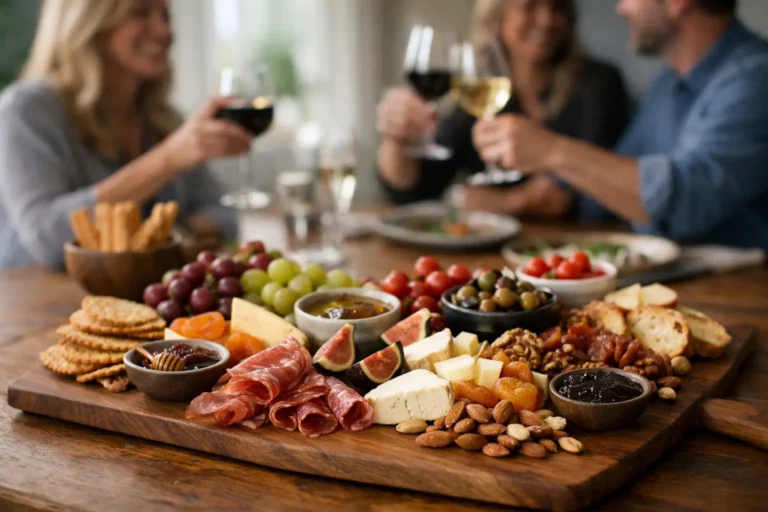
Bring it out for a holiday spread. Use it to slice tomatoes on an ordinary Tuesday. Let the finish deepen, the grain catch the light, and the marks of the kitchen become part of its history. The right board is not waiting for a special occasion. It helps create one.