Charcuterie Boards That Invite People to Stay
A good gathering rarely begins with an announcement. It begins when someone notices the charcuterie boards on the counter, reaches for a slice of cheese, and stays long enough to start a conversation. The food matters, certainly. So does the surface beneath it. A generous hardwood board gives even a simple arrangement a sense of occasion – warm, considered, and ready to be shared.
Charcuterie is not about building the most crowded board in the room. It is about creating contrast, inviting curiosity, and giving people a reason to linger. A few excellent choices, arranged with care, will always feel more generous than a dozen ingredients added without purpose.
Why Charcuterie Boards Change the Room
A charcuterie board is both food and furniture for the table. It occupies the center of the gathering, but it also gives guests something easy to do with their hands while the evening finds its rhythm. Unlike a plated appetizer, it does not ask everyone to arrive at once or eat in a prescribed order. It welcomes people gradually.
That flexibility is part of its appeal. A board can be set out before dinner, offered alongside cocktails, or made substantial enough to carry a relaxed meal. It can feel casual on a Sunday afternoon or polished enough for an anniversary dinner. The difference often comes down to proportion, ingredients, and the board itself.
The best boards make room for abundance without appearing overfilled. They offer savory, sweet, creamy, crisp, and bright notes in a way that feels intuitive. Guests should be able to take a little of something familiar, then discover a pairing they would not have made on their own.
Just as importantly, a beautiful board does not need to be treated as a precious object that never leaves the cabinet. It should be made for real use. Knife marks, when earned thoughtfully, become part of its character. A well-crafted hardwood board carries the evidence of good meals with quiet grace.
Build Charcuterie Boards With Contrast and Restraint
Start by deciding what the board is meant to do. For drinks before dinner, lighter portions and bolder flavors work well: cured meats, aged cheese, olives, toasted nuts, and something briny or pickled. For a board that may become supper, add more substantial elements such as sliced roast chicken, smoked fish, hearty bread, and a generous portion of cheese.
The number of guests matters, but appetite matters more. A small board for four can feel plentiful with two cheeses, one or two meats, fruit, crackers, and a spread. For a larger group, resist the urge to simply multiply every item. Instead, give guests distinct choices and replenish as needed. Food stays fresher, and the arrangement remains inviting rather than picked over.
Begin with a few anchors
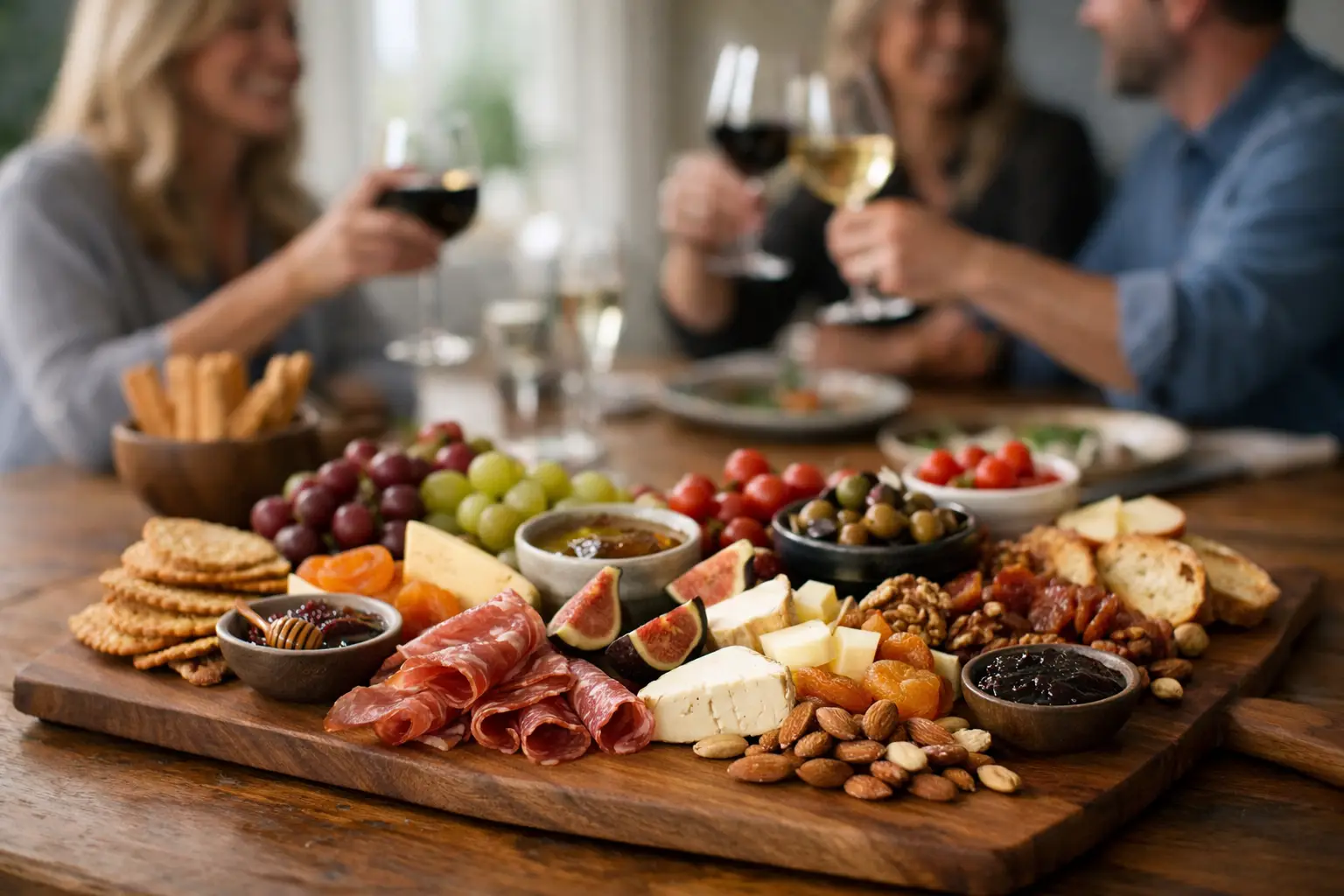
Choose two or three cheeses with different textures. A soft, spreadable cheese offers richness. A firm aged cheese brings salt and structure. A washed-rind, blue, or goat cheese can add personality for guests who want something more assertive. Pre-slice firm cheeses or provide a small knife so the board remains easy to enjoy.
Then add cured meats with different shapes and textures. Fold thin slices into loose ribbons, roll them, or layer them in small clusters rather than spreading them flat across the board. This creates height and makes serving easier. If meat is not part of the menu, roasted vegetables, marinated beans, smoked almonds, and savory dips can provide the same satisfying depth.
Create a rhythm of flavor and color
From there, add fruit, preserves, and something sharp. Grapes, figs, apple slices, dried apricots, and berries bring sweetness, while cornichons, pickled onions, mustard, or olives keep richness from becoming heavy. A small bowl of jam or honey also helps contain sticky ingredients and gives the arrangement a visual pause.
Use crackers and bread intentionally. Crackers can frame the edges of the board, but they should not overwhelm it. A sliced baguette may be better for a more substantial spread, while a crisp seeded cracker brings welcome texture beside creamy cheese. If you are serving guests with dietary restrictions, a separate plate for gluten-free crackers is often more considerate than placing them where crumbs will mingle.
Color should come from the food, not from unnecessary decoration. Deep green olives, ruby fruit, pale cheese, toasted bread, and the natural tones of walnut, oak, or maple create all the visual interest a board needs. Fresh herbs can be lovely, but use them sparingly and only when they contribute a scent or flavor worth having.
Arrange for ease, not perfection
Place bowls and larger cheese portions first, then build outward. Keep soft or wet ingredients contained. Set meats in small groupings, tuck fruit into open spaces, and add crackers last so they stay crisp. Leave a little breathing room. A board with visible grain and clear pathways feels calmer and is easier for guests to navigate.
There is no need to make every section symmetrical. In fact, a slightly organic arrangement usually feels more inviting. The goal is not a still-life photograph. The goal is a board people want to eat from.
Choose a Board Made to Be Used
The serving surface has a practical job beyond presentation. It needs enough room to arrange food without crowding, enough weight to remain steady on the table, and a finish that is appropriate for serving. A board that feels substantial in the hand changes the experience before a single ingredient is placed on it.
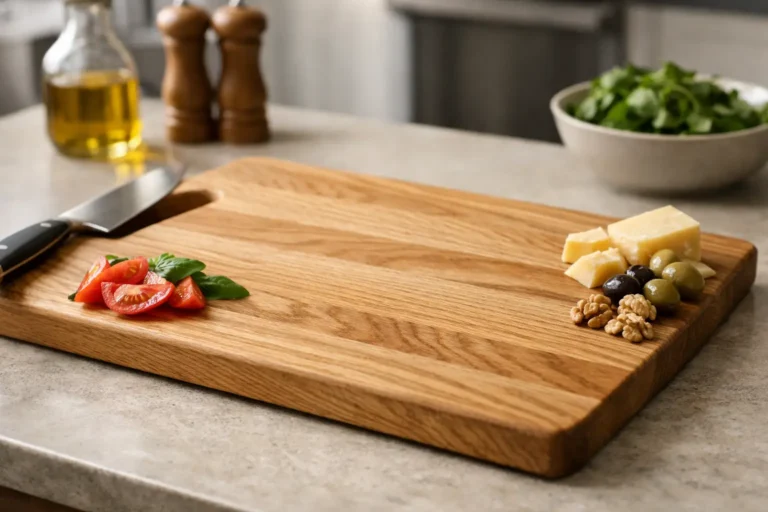
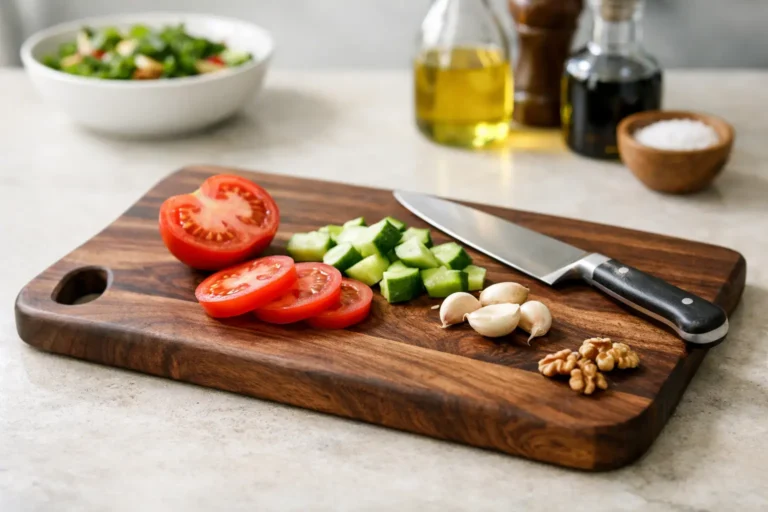
Hardwood has a presence that ceramic and plastic cannot replicate. Black walnut offers deep, expressive color. White oak feels clean and architectural. Hard maple brings a lighter, classic warmth. Each species has its own grain, variation, and character, which means no two boards will look exactly alike.
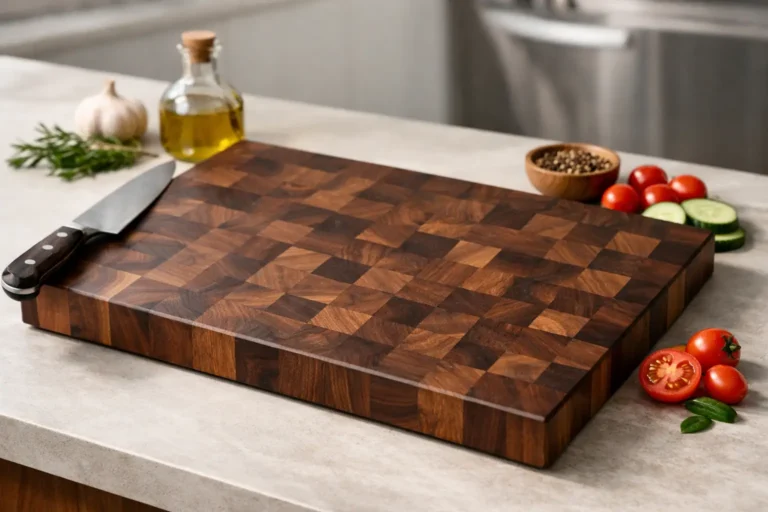
For a board that will also see regular kitchen use, construction deserves attention. End-grain construction presents the ends of wood fibers at the cutting surface, helping the board withstand repeated knife work while bringing a distinctive patterned appearance to the table. It is an investment in both performance and permanence.
Bluwood Products makes handcrafted end-grain boards in Arkansas from domestic hardwoods, finished with a food-safe blend of oil and beeswax. That kind of finish is meant to be maintained, not ignored. Wood responds to care, and a board that is periodically conditioned will retain its depth, protection, and natural beauty over years of use.
Care After the Gathering
A wooden board should be cleaned promptly after serving. Wipe away loose crumbs, wash the surface by hand with mild soap and warm water, then dry it thoroughly. Never leave it submerged in water or place it in the dishwasher. Excess moisture and heat can cause wood to swell, warp, or split.
For boards used with charcuterie, consider food safety before the party begins. Use separate utensils for each item, especially when serving a mixture of meats, cheeses, and spreads. If raw meat has been prepared on the board earlier in the day, clean and sanitize it fully before it becomes a serving surface. Many hosts prefer to reserve a favorite display board for ready-to-eat foods and use another board for raw prep.
When the wood begins to look dry or pale, apply a food-safe board oil followed by a conditioning wax. Let it absorb, then buff away excess. This small ritual is not a chore. It is part of owning a material that is alive with grain, variation, and memory.
Make the Board Part of the Occasion
A charcuterie board makes an especially thoughtful housewarming, wedding, closing, or anniversary gift because it does not sit quietly on a shelf. It enters the life of a home. It appears at holidays, game nights, quiet dinners, and the unexpected visit that becomes a long conversation.
Personalization can make that role even more meaningful, but restraint matters here too. A discreet family name, date, or monogram can mark an occasion without taking attention away from the wood itself. The most lasting gifts are useful enough to become familiar and beautiful enough to be brought out with pride.
Set out what you genuinely enjoy, leave room for a few surprises, and choose a board worthy of returning to the table. The best gatherings do not need to be elaborate. They simply need a place for people to come together.